


Guest Column: A Sneak Peak at the UF/IFAS Urban Landscape Summit
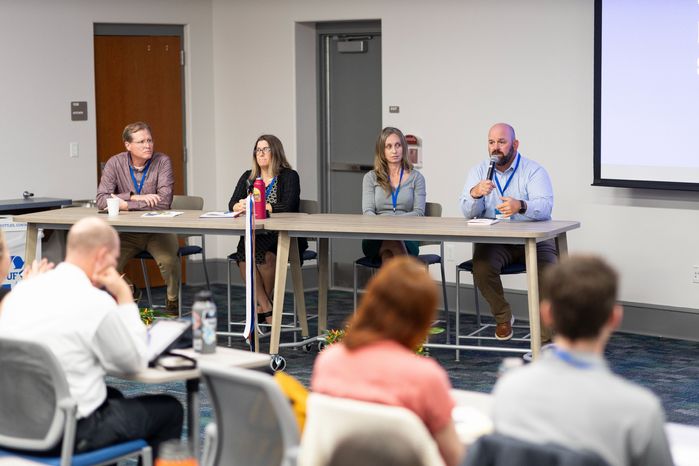
at the 2024 Urban Landscape Summit. | Image courtesy of UF/IFAS
When the UF/IFAS Center for Land Use Efficiency (CLUE) hosted the 2024 Urban Landscape Summit, it was the largest in the event’s history, bringing together more than 130 UF/IFAS faculty, industry professionals, developers, water managers and local officials to tackle one shared priority: building water resiliency into Florida’s landscapes. That record-setting gathering proved something important—when science, industry and policy sit at the same table, real progress is possible.
In April, the 2026 Urban Landscape Summit aims to build on that momentum with a sharper focus on solutions in action. This year the Summit moves beyond defining challenges and centers on implementation—real case studies, measurable outcomes and collaborative strategies designed to support Florida’s growth while protecting its water resources.
The opening keynote panel, “Governing the Future Landscape,” will set the tone for the 2026 Summit by bringing together leaders from the green industry, water management, conservation and local government. The goal is to explore how regulations like development codes, irrigation standards, and plant selection will shape Florida’s water security, ecosystems and economic future. Building on this high-level conversation, the Summit will emphasize real-world case studies with a deep dive into Alachua County’s recent code changes and an examination of rapid growth in Orange and Lake counties. Together, these sessions offer practical, data-driven insight for growers, landscape contractors and developers navigating growth and regulatory pressures across the state.
At its core, the 2026 Summit will reflect what UF/IFAS Extension does best—bringing industry and research together to solve real problems facing Florida. Rather than debating landscape issues in isolation, UF/IFAS researchers and partners are working side by side to evaluate what performs in the field, conserves water and makes economic sense in a rapidly growing state. Conversations around turf and alternative landscapes, for example, are not framed as ideological battles, but as collaborative efforts to align plant selection, irrigation practices and development codes with both environmental realities and consumer expectations. The same spirit carries into applied projects highlighted throughout the Summit, where partnerships between UF/IFAS faculty, growers, contractors and local governments demonstrate how research can reduce uncertainty, improve efficiency and open new market opportunities. This exchange of data, experience and practical insight is the essence of Extension—translating university research into tools the industry can use, while ensuring that the questions guiding research are informed by on-the-ground experience. By strengthening this two-way partnership, UF/IFAS is helping protect water resources, support economic growth and equip Florida’s green industry to lead in building resilient communities statewide.
Housing demand, infrastructure expansion and evolving regulations will continue to shape the marketplace. The 2026 Urban Landscape Summit is bringing together stakeholders who understand that resilient landscapes are not just good for the environment, but essential to the long-term success of the green industry. The Summit is an opportunity to influence policy conversations, connect with decision-makers and help define the future of Florida’s landscapes.
For more information on the 2026 Urban Landscape Summit, visit: https://clue.ifas.ufl.edu/about-clue/urban-landscape-summit/
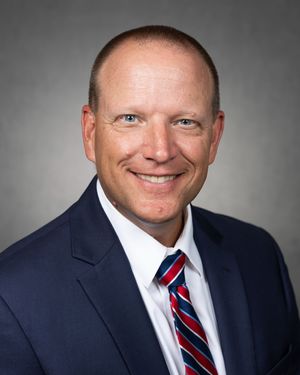
Michael Dukes, Ph.D., is the director of the UF/IFAS Center for Land Use Efficiency (CLUE), which focuses on social, environmental, and economic issues affecting urban landscapes and agriculture in Florida. Photo courtesy of UF/IFAS.
