Guest Column: Florida-Friendly Landscaping: A Blueprint for Smarter Growth
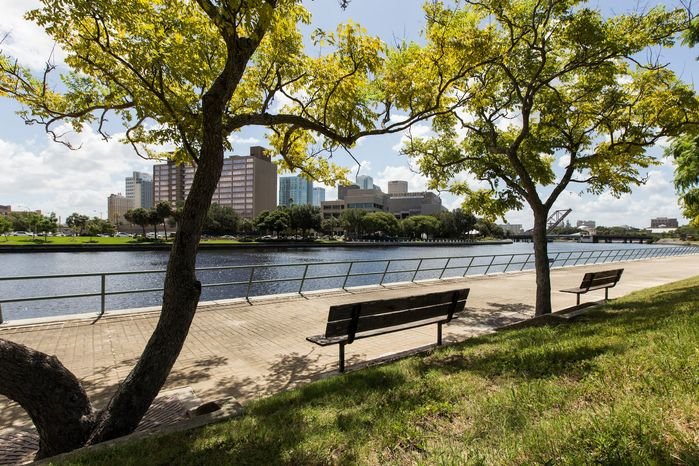
Florida’s population continues to grow, and with it, so does the pressure on our water resources. Every new subdivision, roadway, and commercial development changes how water moves across our landscape—and how much of it we use. Combine this increase in demand for water with the shift in climate patterns and the result is that the landscapes of tomorrow will demand smarter, more sustainable irrigation strategies. Across Florida, we are already seeing how droughts, heavy rainfall, and regional water restrictions are reshaping how we design and manage the built environment. As communities expand, we have a unique opportunity to design development that protects Florida’s water resources for future generations.
One of the most effective tools we already have is the UF/IFAS Florida-Friendly Landscaping™ (FFL) Program. The FFL principles—right plant, right place; efficient irrigation; mulch use; proper fertilization; and integrated pest management—were developed to conserve water and protect water quality. These principles are grounded in decades of UF/IFAS research and can be used as guidelines for new development. If applied during planning and construction, FFL practices can reduce potable water use in landscapes significantly compared to traditional designs, while maintaining aesthetic and functional value for property owners.
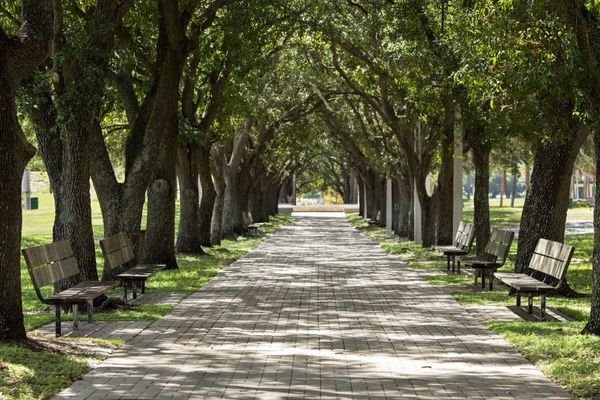
Trees play an especially important role in this equation. Data from UF/IFAS researchers Andrew Koeser, Ph.D., and Ryan Klein, Ph.D., highlights how properly selected and maintained trees provide substantial environmental and economic benefits. Trees improve air quality, reduce the urban heat island effect, and intercept stormwater runoff—helping to keep pollutants out of Florida’s waterways. Their work also shows that tree canopy increases property values, provides shade that reduces home energy costs, and enhances the livability of our communities.
Selecting the right trees for the right sites is both an art and a science. Koeser’s recent research uses artificial intelligence to improve species selection for storm resilience, while Klein’s work connects soil management and irrigation strategies to tree establishment success. Together, this research reinforces that healthy trees are essential infrastructure in sustainable Florida landscapes.
As we plan for growth, integrating the Florida-Friendly Landscaping Program into development guidelines isn’t just good environmental stewardship—it’s smart business. Developers, local governments, and landscape professionals can lead the way toward communities that thrive while conserving our most precious resource: water.
For those who want to see this research in action, I encourage you to attend the 2025 Great Southern Tree Conference in Gainesville November 19–20, 2025. This year’s conference will showcase the latest in tree production, selection, and management from leading UF/IFAS experts and industry professionals. Together we can create landscapes that protect our water, strengthen our economy, and preserve what makes Florida such a beautiful place to live and work.
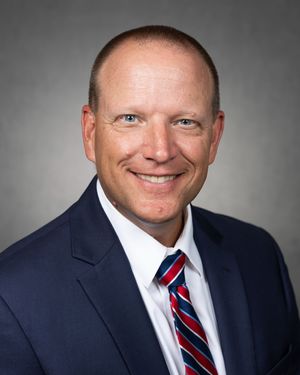
Michael Dukes, Ph.D., is the director of the UF/IFAS Center for Land Use Efficiency (CLUE), which focuses on social, environmental, and economic issues affecting urban landscapes and agriculture in Florida. Photo courtesy of UF/IFAS.