


Guest Column: The Impact of Collaboration
|
|
As I attended the FNGLA Convention in June I was reminded of the importance of this vibrant industry and the impact of the collaboration between UF/IFAS Extension and FNGLA.
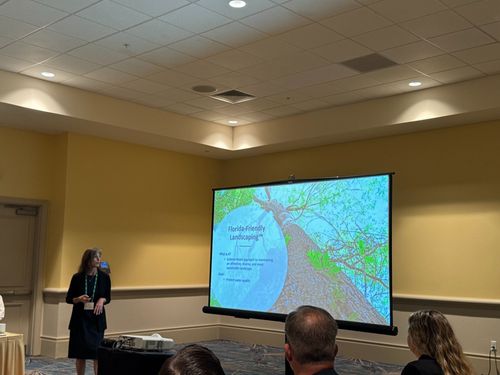
The need for further collaboration was a major focus of Claire Lewis’ presentation at the FNGLA Board meeting. Claire is a UF/IFAS Extension state specialized agent and the Florida-Friendly Landscape™ Program (FFL) statewide coordinator. Two long titles for someone who has only been leading the FFL program for a short amount of time, one year in an interim role and now just over a year as the permanent leader. Yet in her short time leading it, there have been many changes to the FFL program and as Claire explained to the FNGLA board, these changes offer more opportunities to work together.
The FFL program has worked with our faculty content experts, like Eban Bean, Ph.D., associate professor in the UF/IFAS agricultural and biological engineering department, to create training modules for individuals responsible for inspecting permitted stormwater systems in Florida. Released in July, the Stormwater Qualified Inspector Training program, or SQuInT, provides legislatively mandated training completely online. Participants who successfully complete the course are certified for five years to inspect stormwater BMP structures. The goal is to make sure these structures are functioning properly to prevent flooding and to optimize the removal of pollutant loads, helping protect Florida’s valuable water resources.
The FFL program has also recently published a model irrigation ordinance, which was created by the FNGLA Landscape Irrigation Committee. This model ordinance allows local governments to adopt a standardized approach to efficient irrigation design.
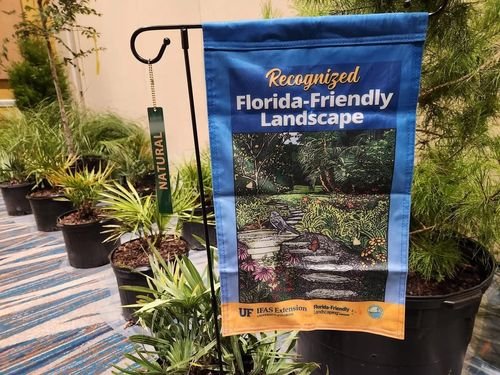
In addition, the FFL program has created a new recognition level called FFL Natural. This recognition level is for individuals or organizations that desire very low to no inputs be used after landscape installation. This new level ensures that the FFL program offers an option for every resident that matches their level of commitment to protecting the Florida environment.
In recent years we’ve seen continued movement of people to Florida. On one hand, this growth is one of the pillars of Florida's economy, and we all benefit from it. On the other hand, this growth does strain our water resources as well as other growth-related factors. I believe that the FFL program is a key component for future growth. This program allows Florida residents, communities and industries to utilize water more efficiently and avert the harmful impacts of landscapes. The program seeks to reduce inputs where possible and offers options that can protect Florida’s natural resources by providing science-based education. This goal is one we share with FNGLA, and we know through our continued collaboration and partnership we can increase our positive impact on Florida.
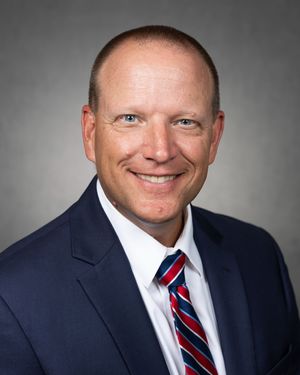
Michael Dukes, Ph.D., is the director of the UF/IFAS Center for Land Use Efficiency (CLUE), which focuses on social, environmental, and economic issues affecting urban landscapes and agriculture in Florida. Photo courtesy of UF/IFAS.
