


Guest Column:UF/IFAS-FNGLA Matching Funds Drive Research to Support Florida’s Green Industry
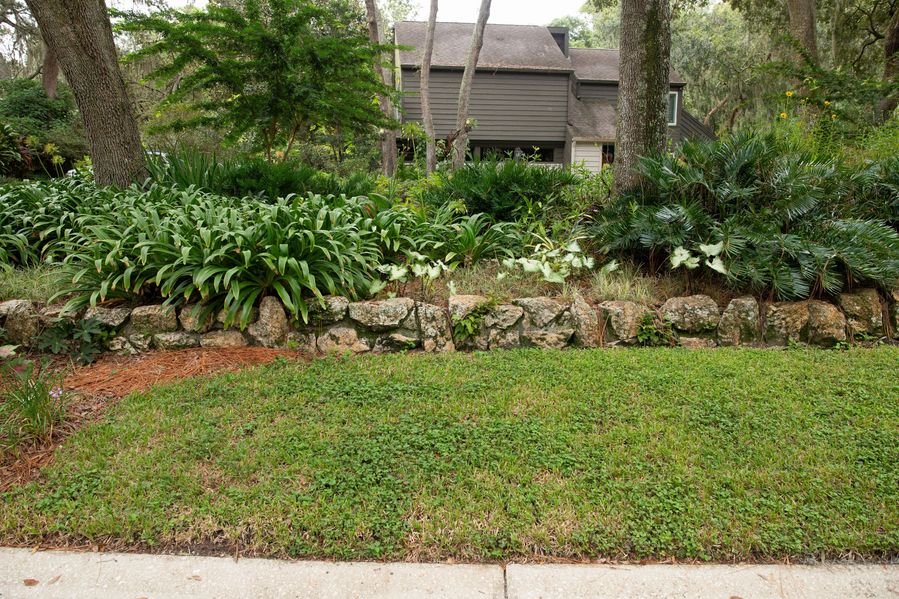
A vibrant residential landscape. | Image Courtesy of UF/IFAS
For more than 20 years, FNGLA has supported research at UF/IFAS to address problems and provide solutions to the Florida nursery industry. Through the FNGLA Endowed Research Fund, UF/IFAS scientists can expand and extend existing projects that generate important insights, results and recommendations to support a sustainable and vibrant green industry. I am proud to announce that for the first time the UF/IFAS Center for Land Use Efficiency (CLUE) will offer matching funds to help faculty extend the impacts of this work even farther.
In previous years this endowment supported work on designing sustainable residential landscapes in response to Florida’s rapid population growth. One interdisciplinary study evaluated how landscaping practices, plant diversity, and vegetation structure influence ecosystem services such as aesthetics, wildlife habitat, cooling effects, and yard utility. This project, led by CLUE faculty and UF/IFAS Urban and Residential Landscape Ecologist Basil Iannone, included field surveys across 90 residential yards where researchers administered homeowner questionnaires to understand landscaping values and practices. Initial results show that traditional high-input landscaping with irrigation, fertilizer, and pesticide use often fails to meet homeowner expectations. This disconnect suggested there could be an opportunity for the nursery and landscape industry to realign its offerings with homeowner priorities by promoting sustainable practices that also enhance quality to the overall landscape. The research team worked to develop predictive models to help industry professionals make informed, cost-effective decisions about residential landscaping.
Another project funded by FNGLA was led by CLUE faculty Adam Dale and worked to develop integrated pest and pollinator management (IPPM) strategies to balance pest control and pollinator conservation in ornamental plant production. By using milkweed, monarchs, and oleander aphids as a model, researchers found that chronic exposure to systemic insecticides commonly used to control pests also harmed monarch caterpillars. The study revealed a need for wildlife-friendly production protocols in Florida’s green industry.
These examples are just two of the dozens of projects funded by the FNGLA Endowed Research Fund that produced results supporting industry innovation, ensuring a more sustainable future for Florida’s landscapes and helped to improve the quality of life for residents. This focus continued with the announcement of the latest round of grants in October. The FNGLA selection committee chose to fund 10 new projects which focused on a variety of topics including increasing green-industry water efficiency, improving disease quantification, preventing and management for palms, assessing demand for tree species used in landscaping, and using artificial intelligence to help scale up urban food production.
It is my hope that the additional funds provided by CLUE can help these researchers to provide even better solutions to support the industry, discover more insights on how to protect the state’s natural resources, and ensure a more sustainable future for Florida’s landscapes.

Michael Dukes, Ph.D., is the director of the UF/IFAS Center for Land Use Efficiency (CLUE), which focuses on social, environmental, and economic issues affecting urban landscapes and agriculture in Florida. Photo courtesy of UF/IFAS.
